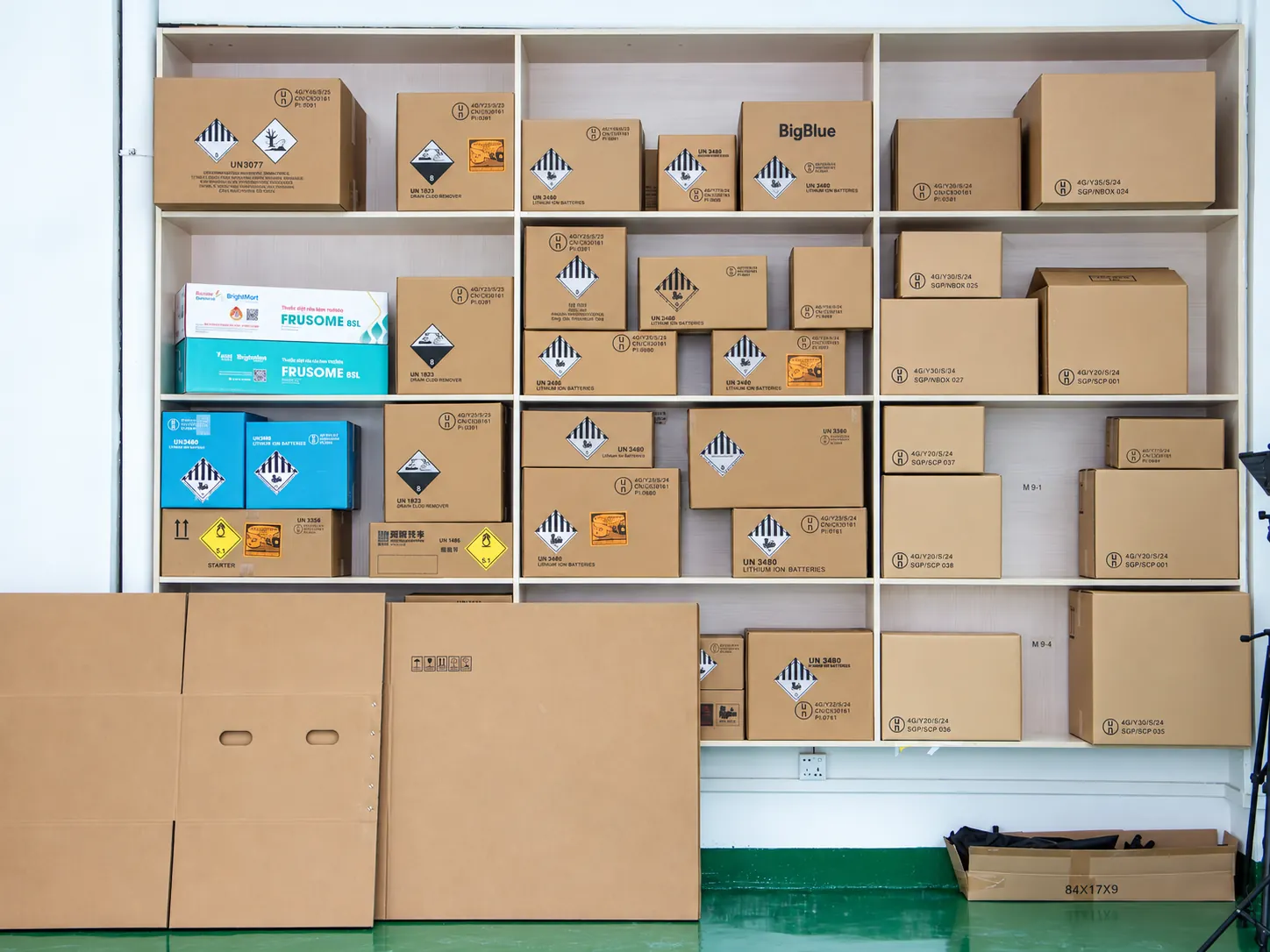
UN Fibreboard Cartons
For dangerous goods projects, we review the goods, packing arrangement and transport requirements against the proposed fibreboard packaging design. Materials, markings and the applicable packaging configuration matter together.
Export-ready dangerous goods packaging and custom protective solutions.

Chenjie is an export packaging manufacturer based in Shenzhen, China. Since 2011, we have worked with manufacturers and trading companies to develop cartons, plywood cases and protective packaging around their products, packing methods and shipping requirements.
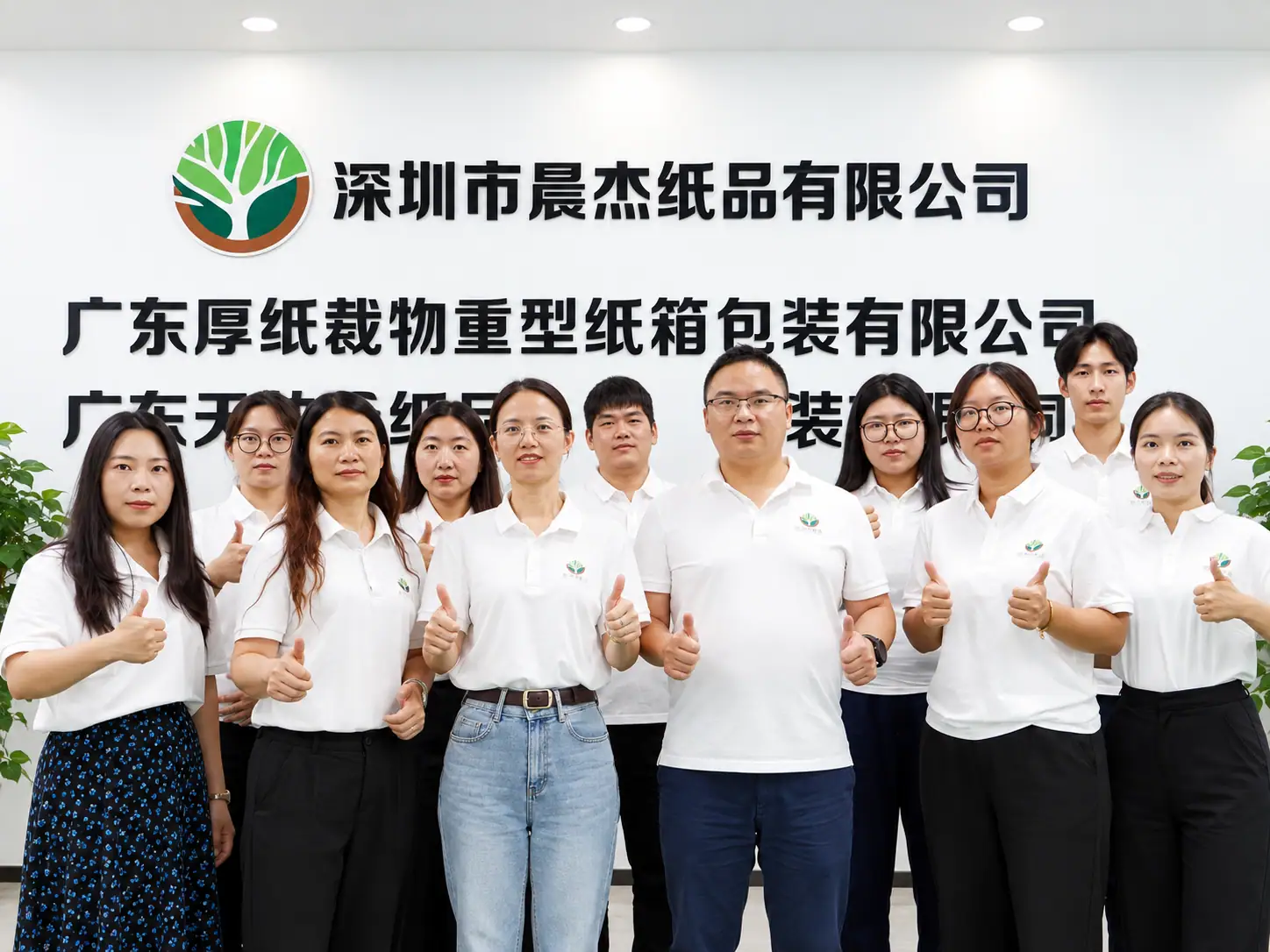
We manufacture export packaging for businesses shipping goods from China. Our projects include packaging for lithium batteries, chemicals, precision equipment and automotive components—products that can have very different needs for strength, positioning, stacking and transport handling.
For us, choosing a box is not simply about matching its length, width and height. The packed weight, centre of gravity, internal movement, loading method and transport route all influence the structure. We discuss these details before settling on materials, packaging configuration and sample requirements.
The aim is to give purchasing, production and shipping teams a clear packaging specification they can work from, rather than leaving important decisions until the goods are ready to ship.
A closer look at our workshop, material handling, carton testing and packaging samples.
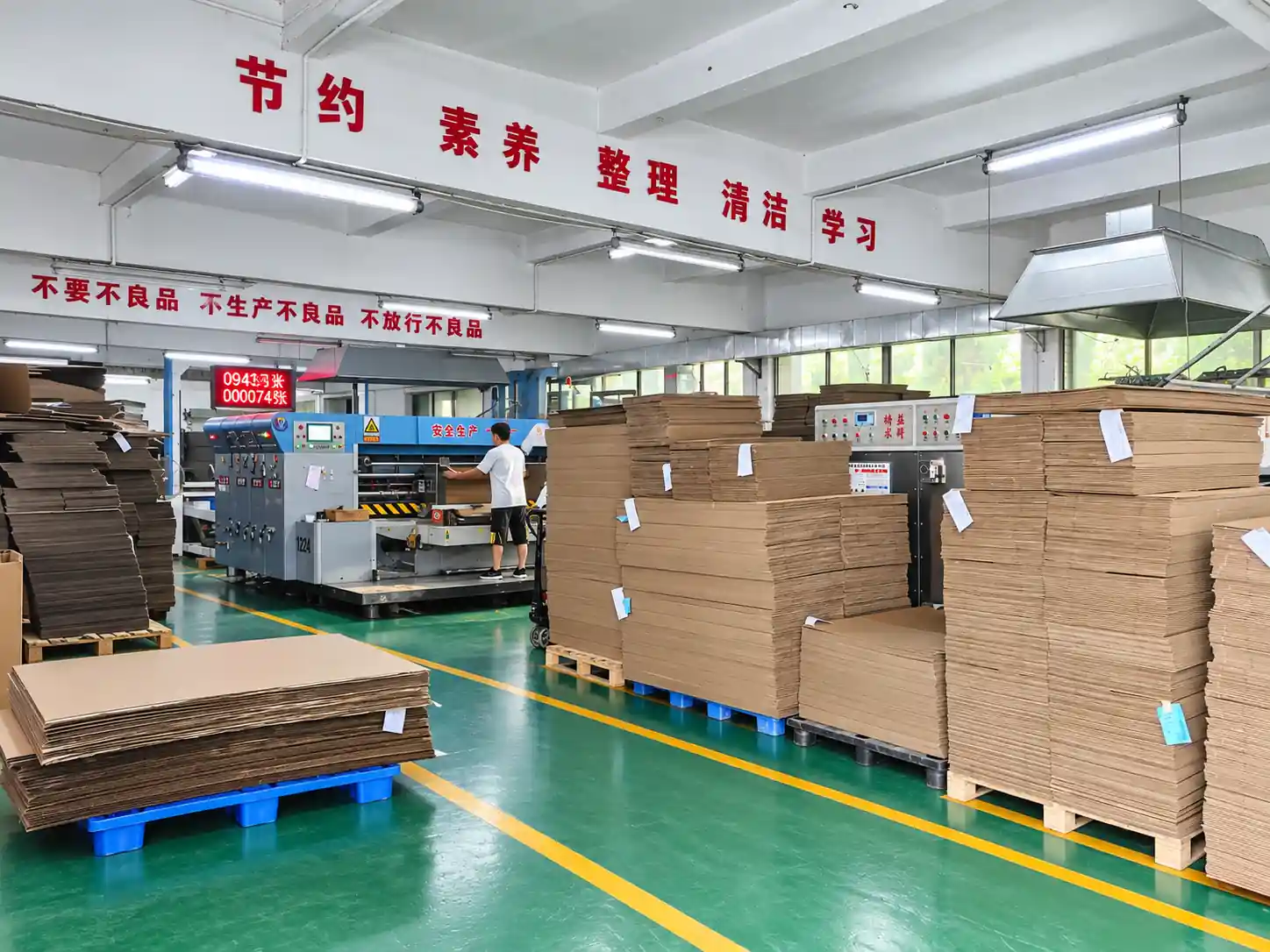
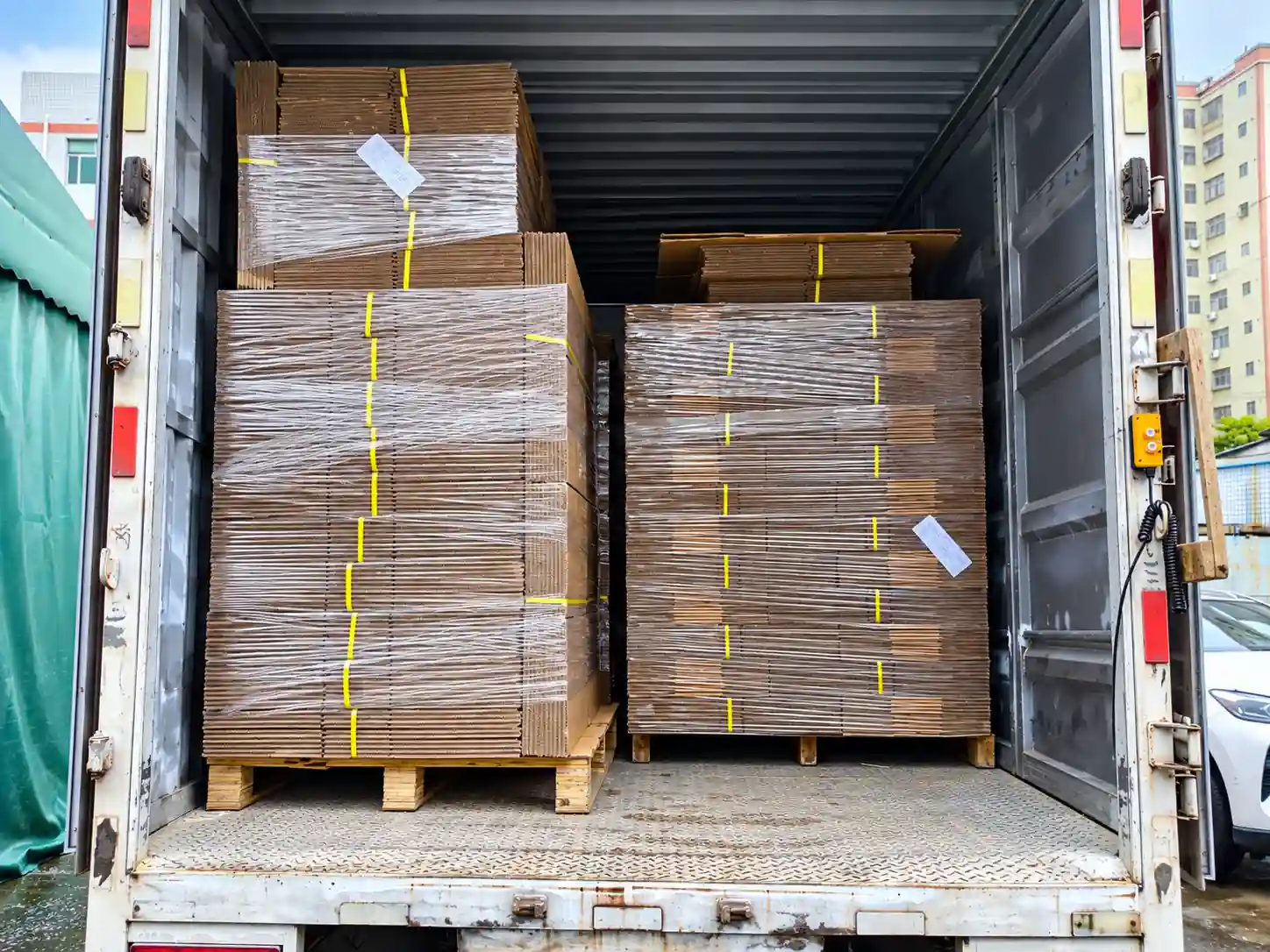
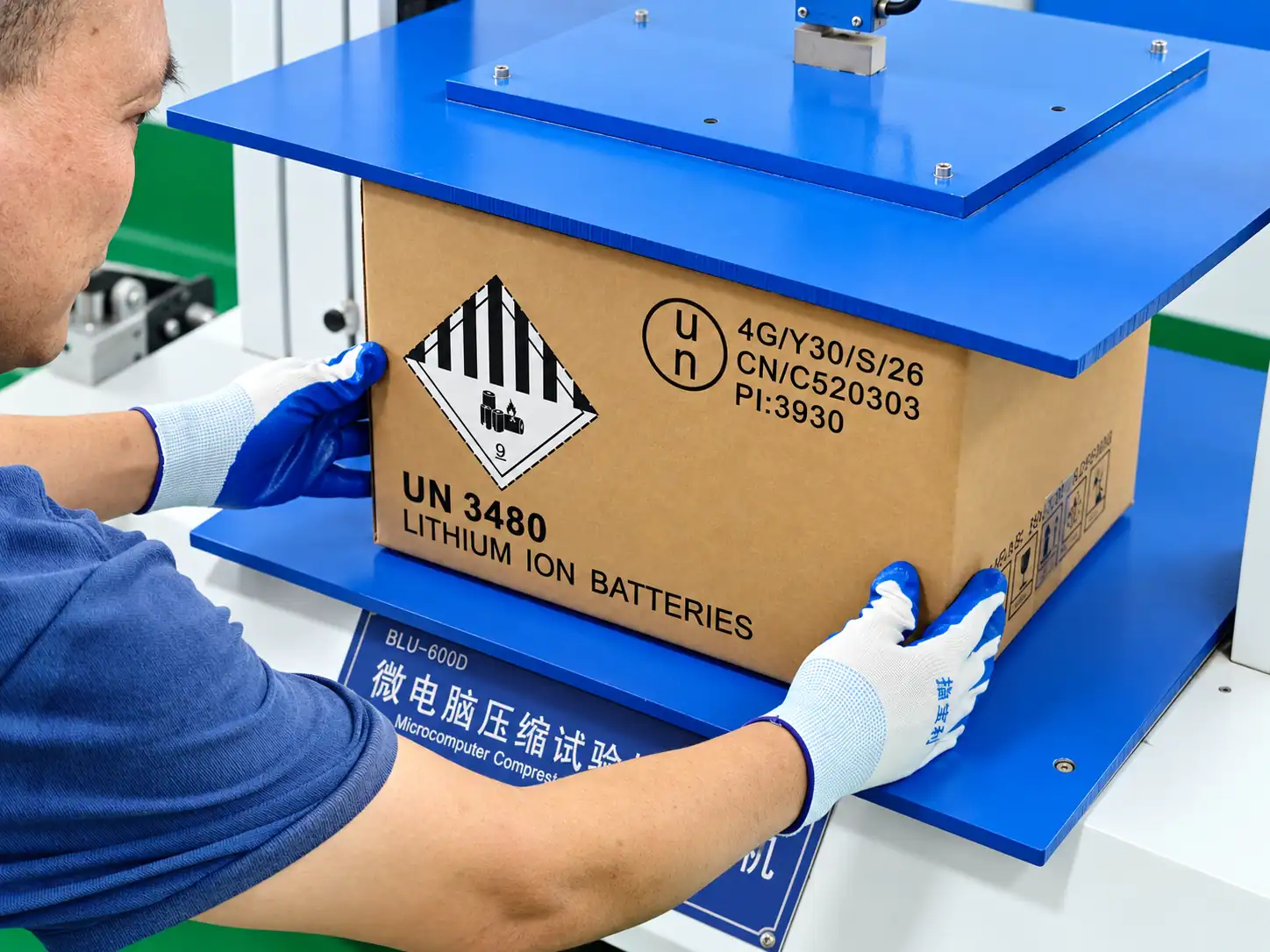
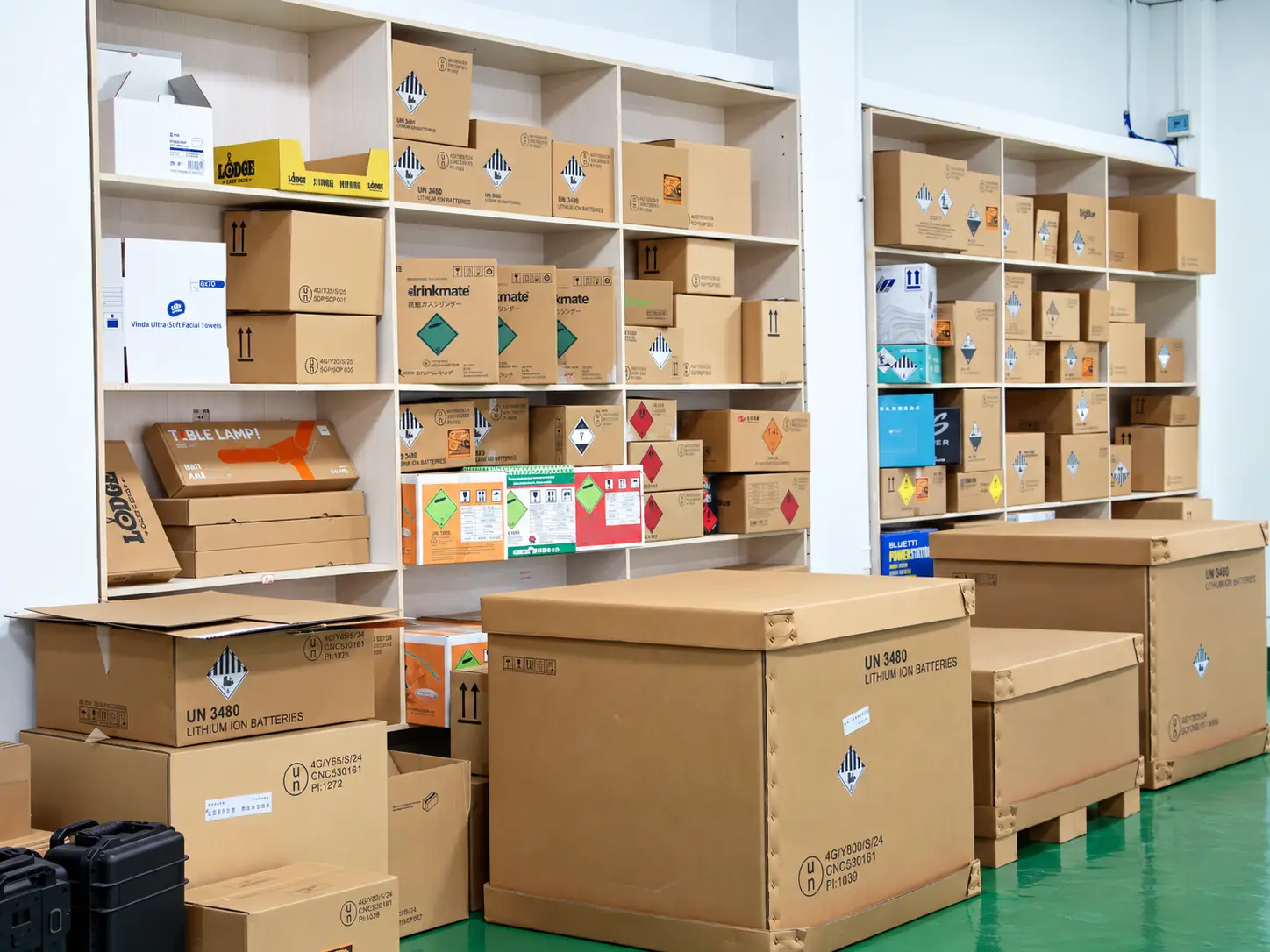
We work with several outer packaging formats and consider internal protection as part of the same project.
For dangerous goods projects, we review the goods, packing arrangement and transport requirements against the proposed fibreboard packaging design. Materials, markings and the applicable packaging configuration matter together.
For heavy or bulky items, we consider board construction, reinforcement, stacking and handling conditions to develop a more suitable carton structure.
For machinery, equipment and irregularly shaped cargo, we discuss case dimensions, loading access, internal restraint and support positions before confirming the case configuration.
For general export and distribution, carton dimensions, board grades, box styles and printing can be discussed around product fit, stacking requirements and brand artwork.
A practical sequence helps both sides agree on the important details before production begins.
We start with cargo dimensions, weight, product characteristics, destination and transport method.
We review materials, outer pack format, internal support, box style and required markings.
Where needed, a structural sample is checked for fit and handling requirements before approval.
Production follows the agreed specification, with stage checks and batch sampling.
We confirm order timing and coordinate applicable packaging information and document support.
The exact sampling, testing and documentation steps depend on the product, packaging design and shipment requirements.
The project is guided by what has been agreed: packaging structure, protection, sample checks and inspection criteria.
Samples are reviewed against the agreed cargo and handling conditions. Drop or stacking checks are considered where required. After sample approval, the agreed specification becomes the reference for production.
For relevant dangerous goods exports from China, we support applications associated with packaging performance inspection and use appraisal documentation.
We review the packaging-related information alongside the project to help keep cargo details, packing arrangement and the proposed packaging specification consistent.
Documentation and use eligibility depend on the specific goods, packaging configuration, applicable tests and regulatory requirements. They are not automatic for every shipment.
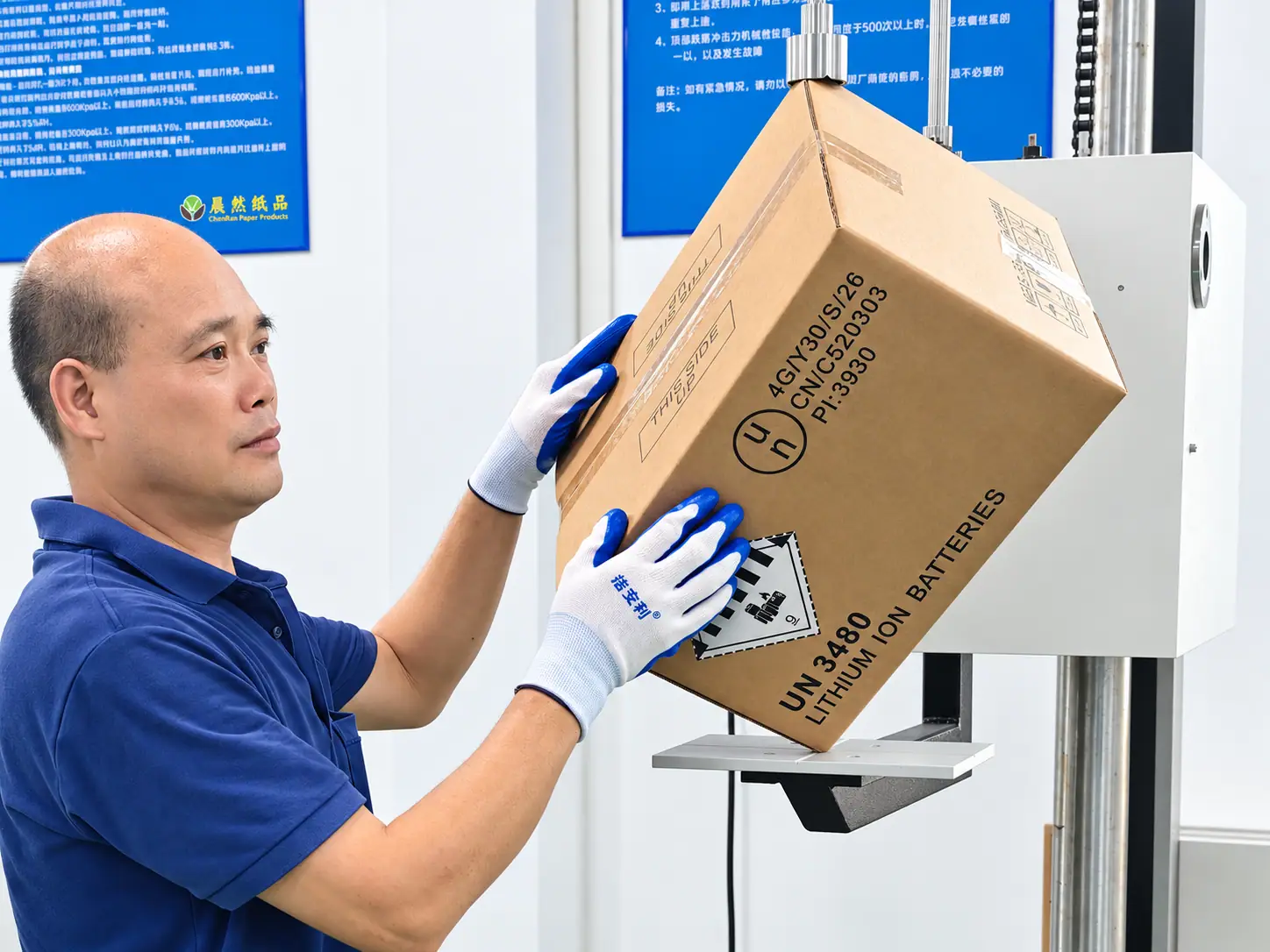
The most useful evidence of a packaging process is the work itself: sample preparation, fit reviews, material checks and the inspection steps relevant to a project.
Our approach starts with the agreed packaging details and keeps those requirements visible through sample confirmation and production.
Testing steps depend on the product and shipment requirements.Our work includes projects for businesses in these product areas, each with different priorities for transport and protection.
Packing arrangements, relevant dangerous goods requirements and documentation coordination.
Goods classification, compatible packaging design and shipment-specific requirements.
Stability, cushioning and restraint of sensitive or irregularly shaped products.
Weight, handling, stacking and repeatable packing configurations.
Share the product dimensions, packed weight, cargo characteristics, transport method, destination and target shipping date. We can review the requirements and discuss an initial packaging approach.
Since 2011, Chenjie Pack has engineered compliant, heavy-duty packaging solutions for dangerous goods. From custom carton structures and protective inserts to comprehensive documentation support, we ensure your exports meet global safety standards.
Provide your packaging specifications below, and our engineering team will respond within 24 hours.