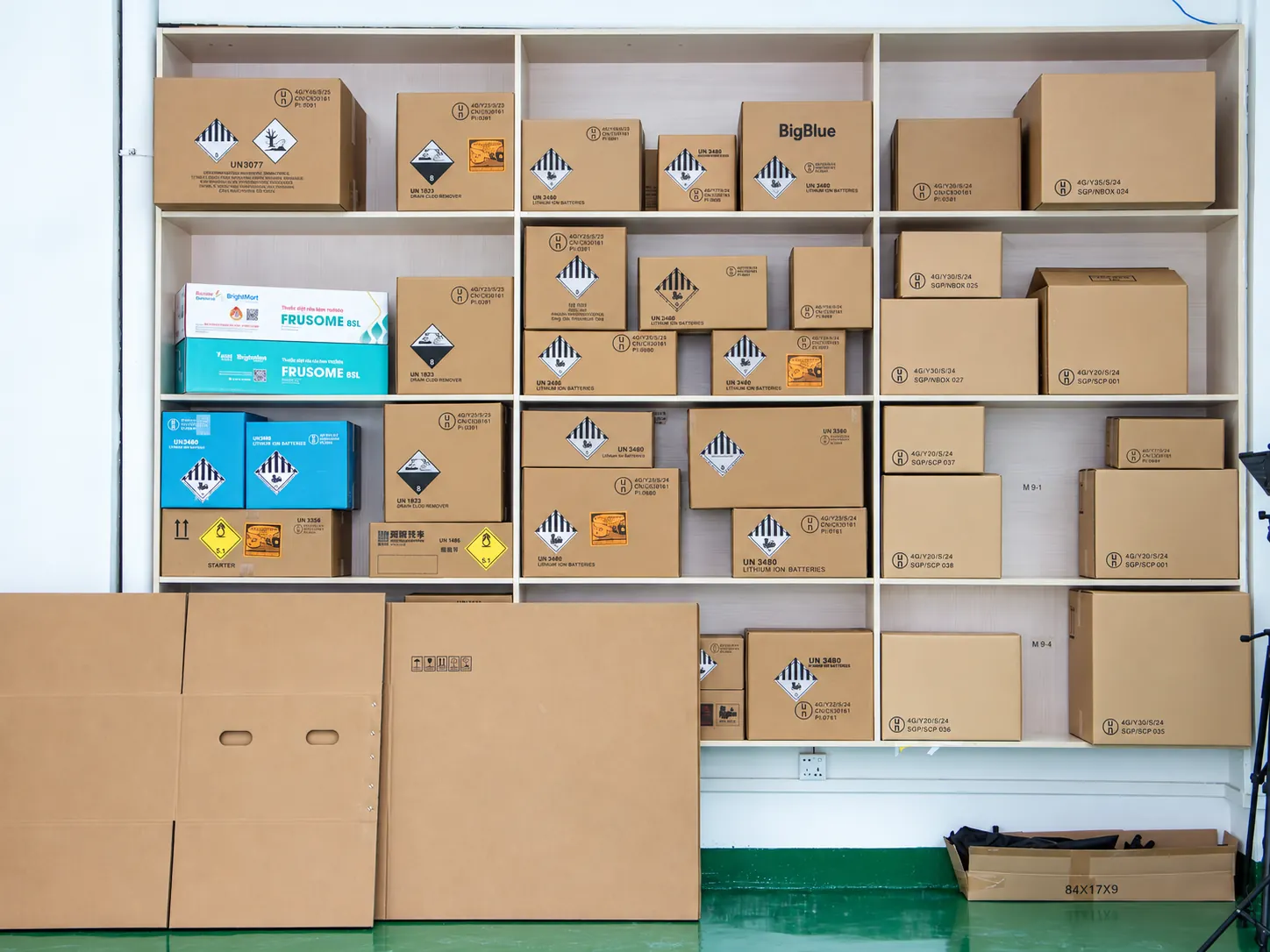
Export-ready dangerous goods packaging and custom protective solutions.

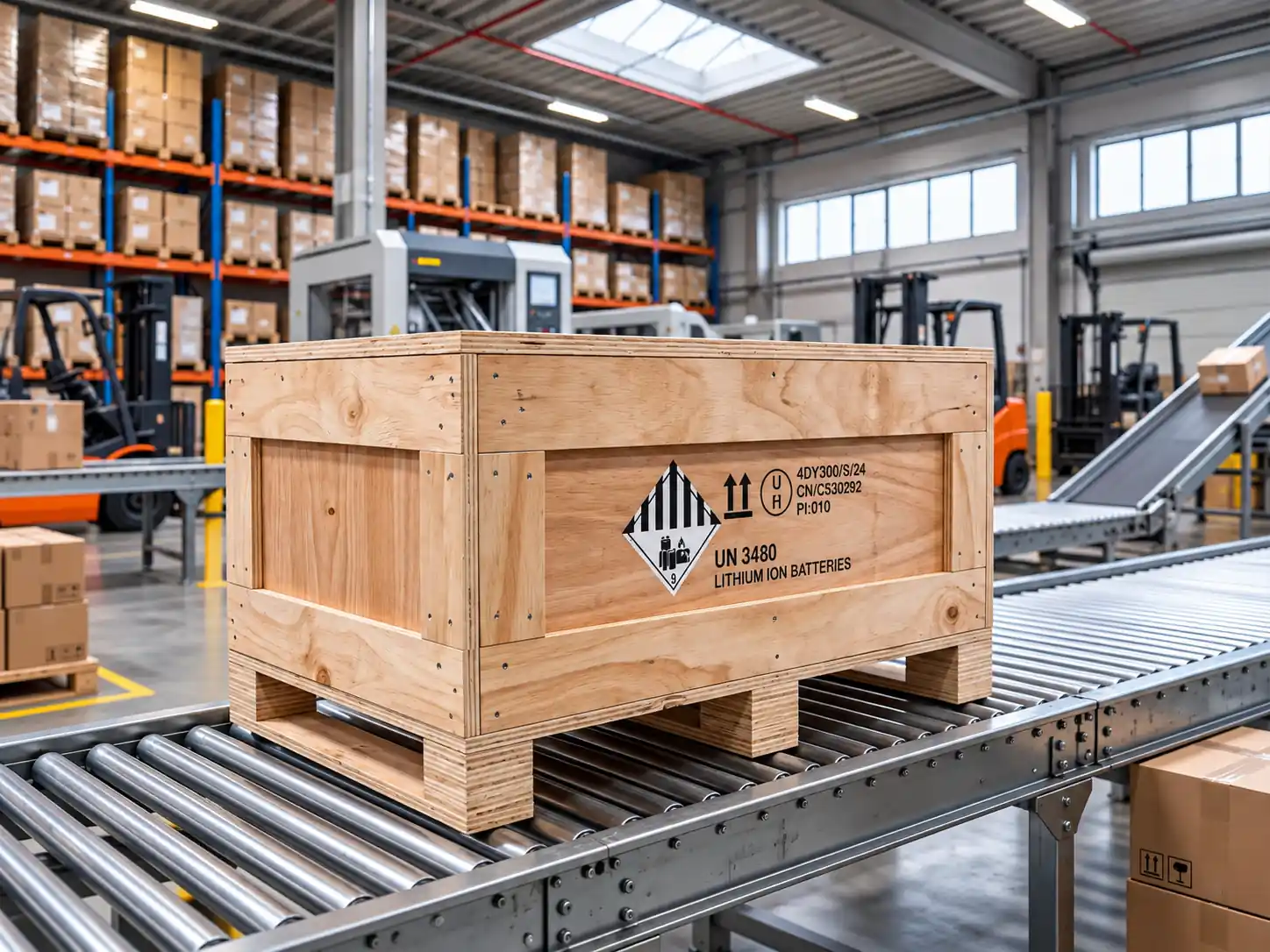
Custom Plywood Boxes from a Shenzhen Supplier
Source plywood shipping cases with dimensions, base support, internal protection and opening arrangements developed around your cargo. Chenjie Pack supports battery packaging projects and equipment shipments, with relevant packaging documents reviewed for the proposed configuration.
Plywood Boxes for Battery and Equipment Shipments
Choose a starting point by the cargo. Battery packaging needs a review of the shipment requirements and complete packing configuration. Equipment cases are developed around load-bearing points, internal protection and loading access.
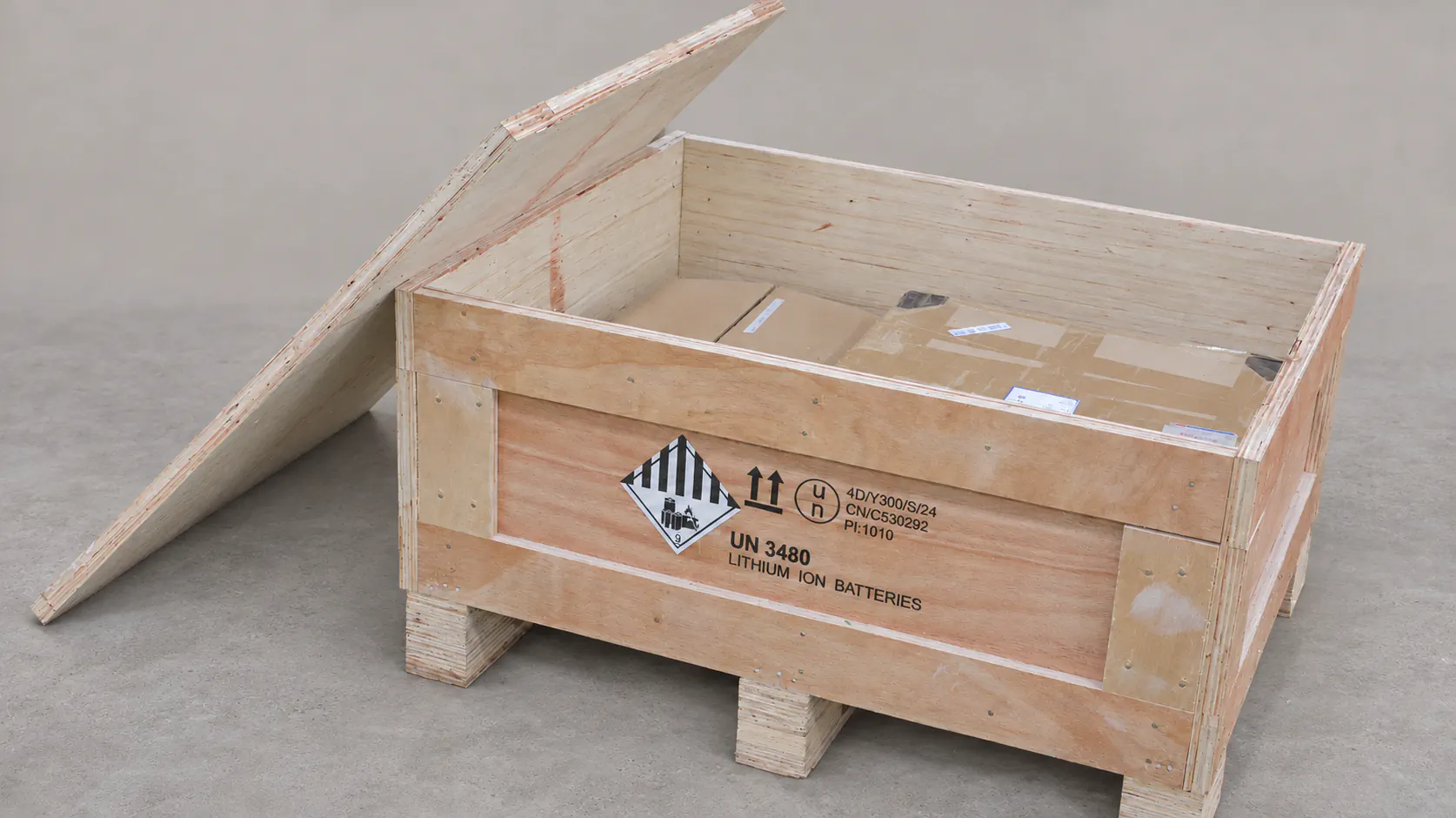
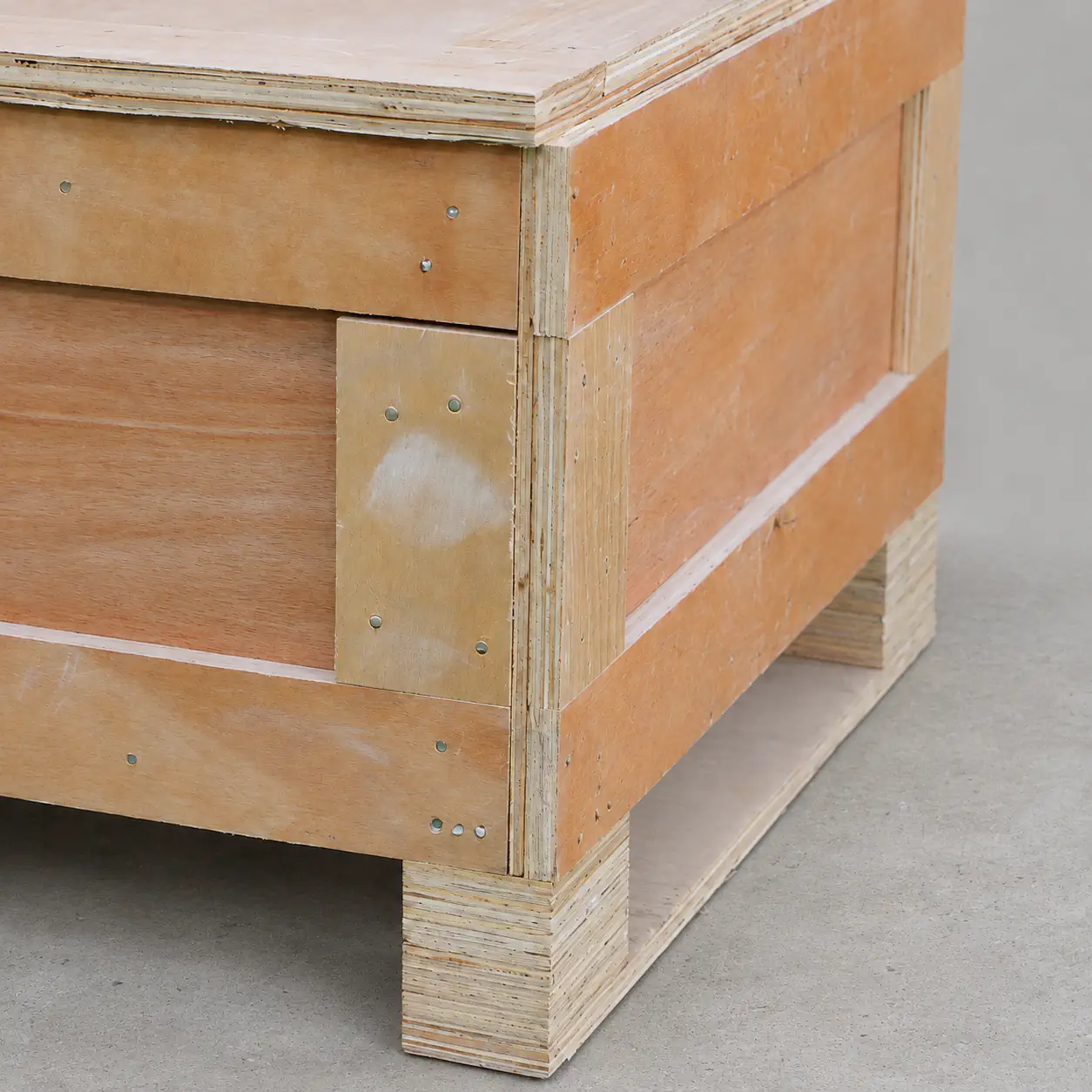
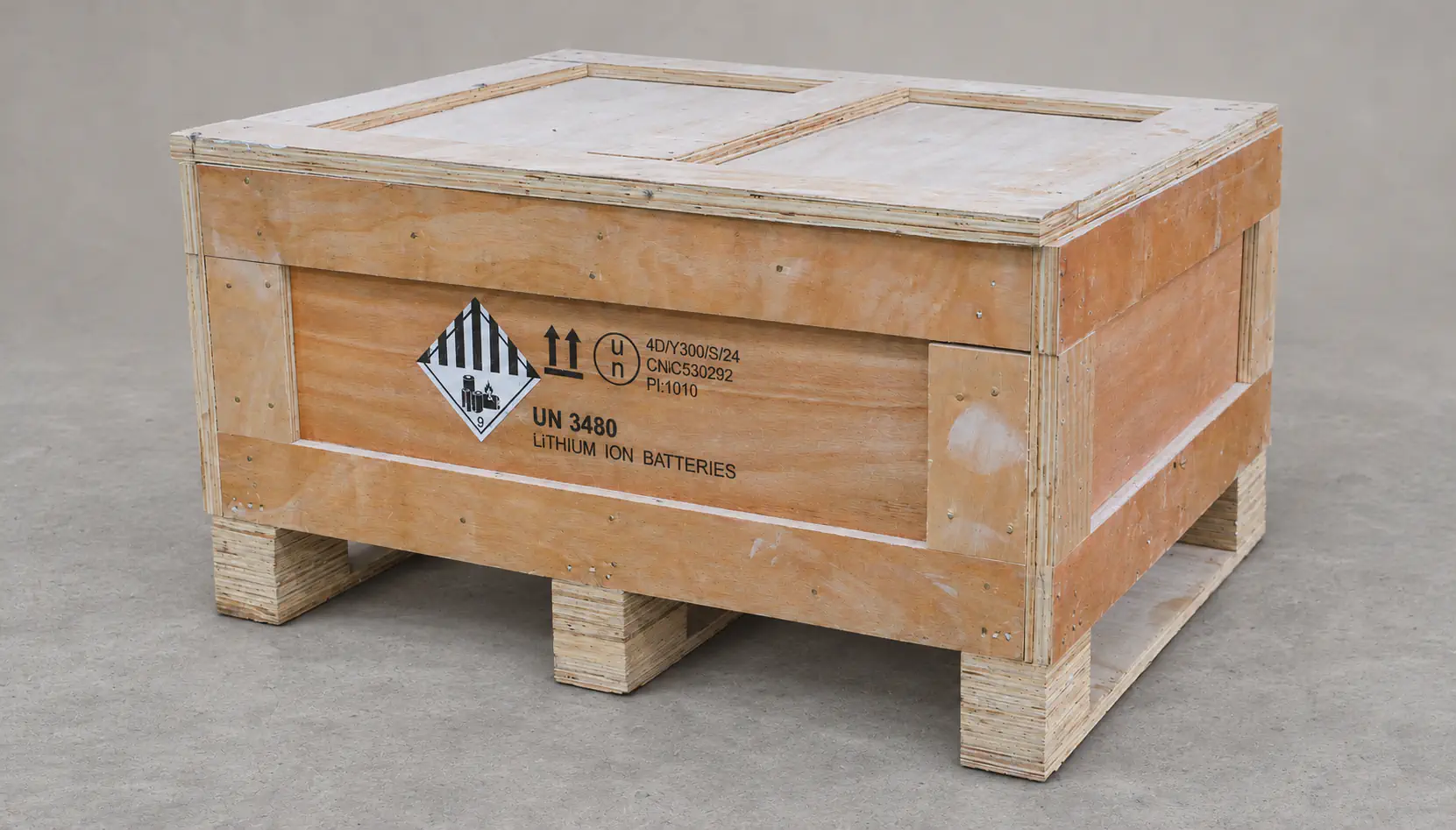
Lithium Battery Plywood Boxes
Application
Lithium battery and battery-pack shipments for which a plywood outer case is proposed, subject to the applicable packing requirements.
Case Configuration
Case dimensions, base support, internal restraint and closure coordinated around the proposed battery pack and shipment.
Selection Focus
Battery classification, quantity, gross packed weight, transport mode and the relevant packaging documents.
Custom Plywood Boxes for Equipment
Application
Machinery, heavy components, irregular items and precision equipment with specific support or handling needs.
Case Configuration
Custom case dimensions, reinforcement, base layout and internal protection developed around the cargo's load-bearing points and vulnerable areas.
Selection Focus
Weight distribution, centre of gravity, loading method, receiving access and the sequence for unpacking.
Plywood Box Specifications & Custom Options
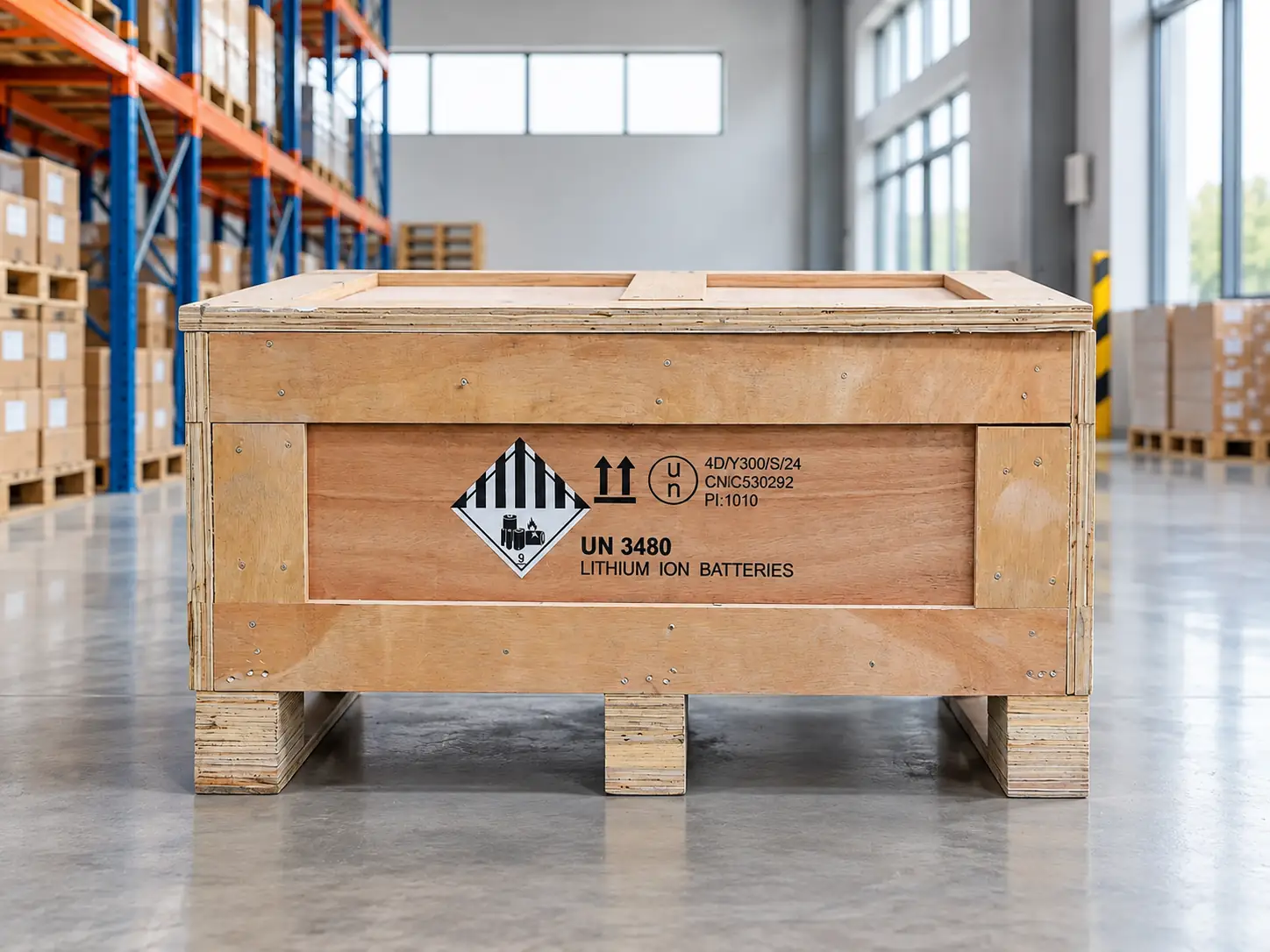
The case specification brings together usable internal space, panel construction, base support and internal protection. Record external dimensions and gross packed weight separately for handling and freight planning.
Dimension Reference:
- Internal L/W/H (Usable Space)
- External L/W/H (Freight Volume)
- Packing Clearance (Buffer Zone)
| Specification | What Is Defined | Why It Matters |
|---|---|---|
| Cargo & Case Dimensions | Product dimensions, usable internal dimensions, external dimensions and packing clearance | Establishes product fit, loading space and the shipping footprint |
| Cargo & Packed Weight | Net cargo weight and gross packed weight, including the case and internal components | Gives a consistent basis for reviewing support and handling requirements |
| Support Positions | Load-bearing contact points and the centre of gravity | Helps position support beneath the parts designed to carry the load |
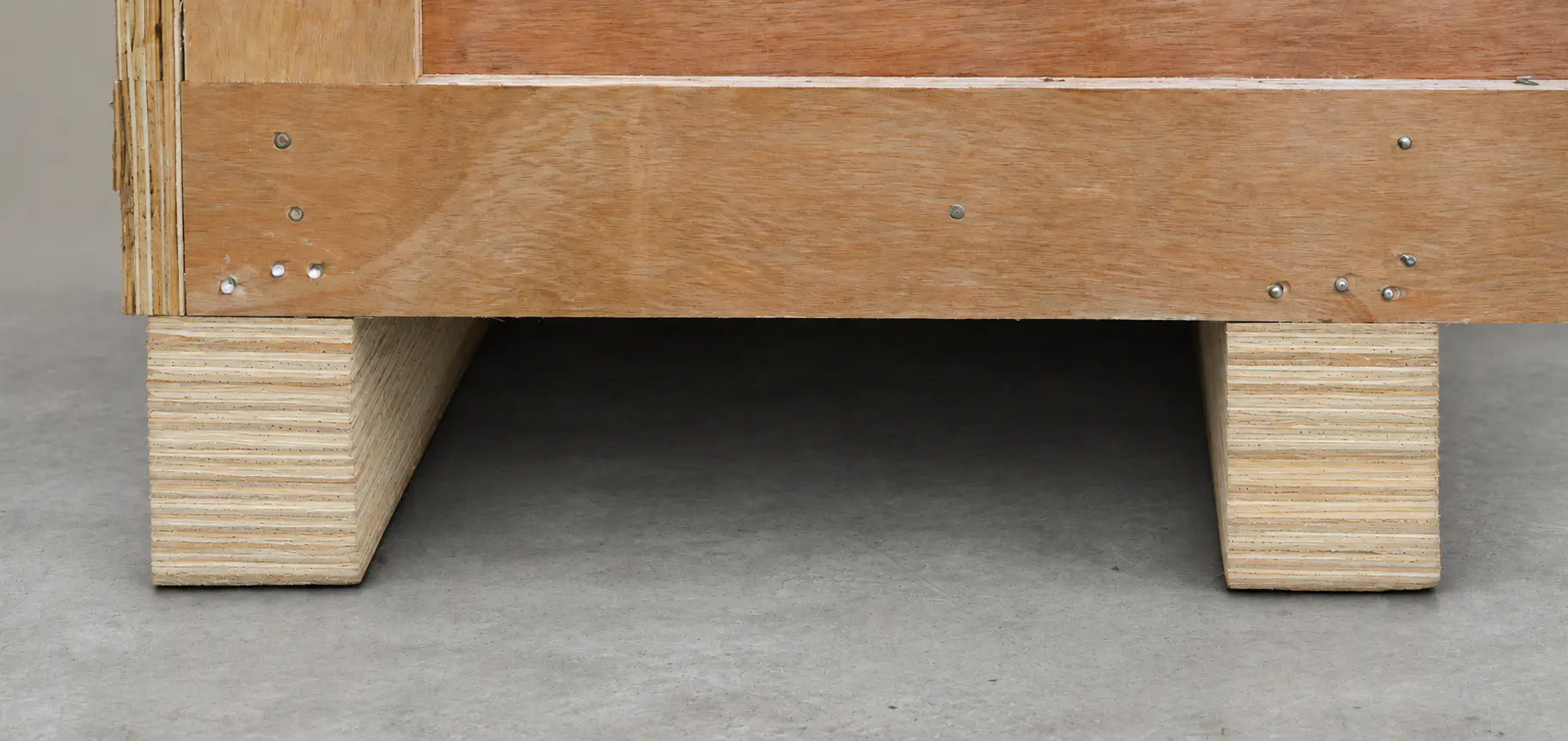
| Base & Handling Access | Base arrangement, fork entry, ground clearance and receiving constraints | Connects the case design with the intended handling method |
| Panels & Reinforcement | Panel material and thickness, reinforcement materials, fasteners and connections | Allows the wall, base and connections to be reviewed as a complete structure |
| Opening & Closure | Loading sequence, opening arrangement and the specified closure | Provides access for positioning, securing and removing the cargo |
| Internal Protection | Supports, blocking, restraint and cushioning at suitable contact areas | Addresses movement, rubbing and contact with vulnerable components |
| Stacking & Storage | Intended stacking load, storage duration and environmental conditions | Defines the conditions to consider when reviewing the proposed structure |
| Markings & Documents | Agreed handling information, packaging references and applicable documents | Keeps the packing specification and order documentation aligned |
Changes to the cargo, base materials, internal protection or handling conditions should be reviewed against the agreed specification before the design is reused.
Base Support, Restraint & Internal Protection
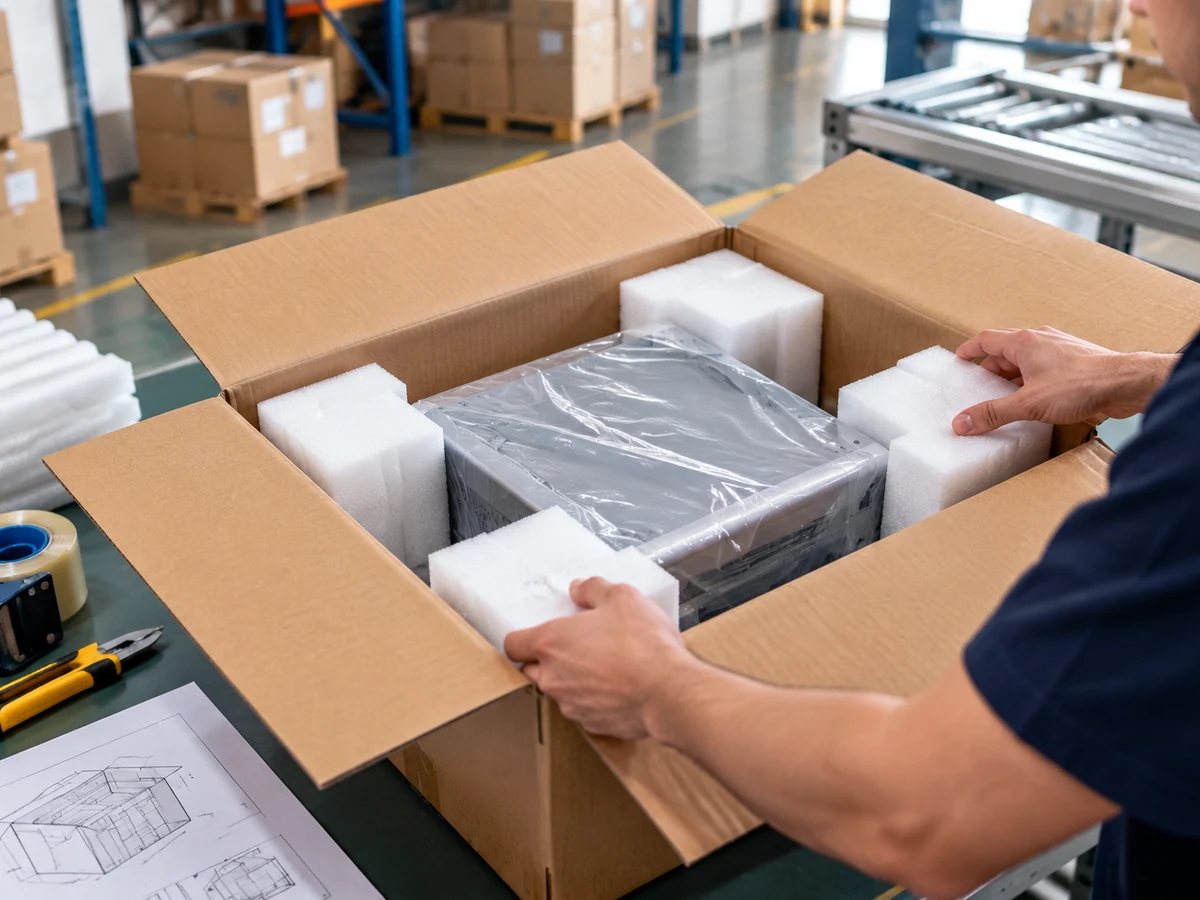
The outer case provides an enclosure. Inside the pack, support carries the load, restraint limits movement and cushioning protects sensitive contact areas. These functions are developed together with loading and unpacking access.
Weight Support
Position support at the product's intended load-bearing points. Uneven weight distribution or a heavy component on one side can change the base arrangement needed for handling.
Movement Control
Use blocking and restraint around suitable fixing points to limit shifting. The internal arrangement should hold the cargo without placing its weight through a fragile component.
Surface Protection
Select contact and cushioning materials for vulnerable surfaces, edges and projections. Leave the clearance needed for the proposed protection to work within the case.
Loading & Unpacking Access
Plan how the cargo enters the case, how it is secured and how it will be removed. Access for tools, restraints and inspection should be considered before the opening arrangement is finalized.
From Cargo Review to an Agreed Packing Specification
Bring the case structure, base support, internal packing and opening arrangement into one specification. Use the agreed drawing, sample or packing reference to review production and any later changes.
Coordinated Pack Design
Outer case, base support and internal protection developed together.
Agreed Production Reference
Production follows the confirmed packaging specification and relevant acceptance requirements.
Relevant Packaging Documents
Document requirements reviewed against the proposed design and shipment.
Cargo Review
Establish the packed size, weight distribution, vulnerable areas, loading constraints and intended shipping route.
Packing Proposal
Develop the case construction, base support, internal fixing and access arrangement as one proposed pack.
Drawing or Sample Review
Agree the configuration, relevant dimensions and acceptance points before the production order is confirmed.
Production Reference & Repeat Orders
Use the agreed configuration as the order reference. Review changes to the cargo, materials, structure or packing method before a repeat production run.
Packaging Support from Shenzhen
Shenzhen Chenjie Paper Products Co., Ltd. · Established in 2011
Shenzhen Chenjie Paper Products Co., Ltd. supplies custom export packaging. For plywood case projects, Chenjie Pack coordinates the case configuration, internal protection and relevant packaging documents around the cargo and handling requirements.
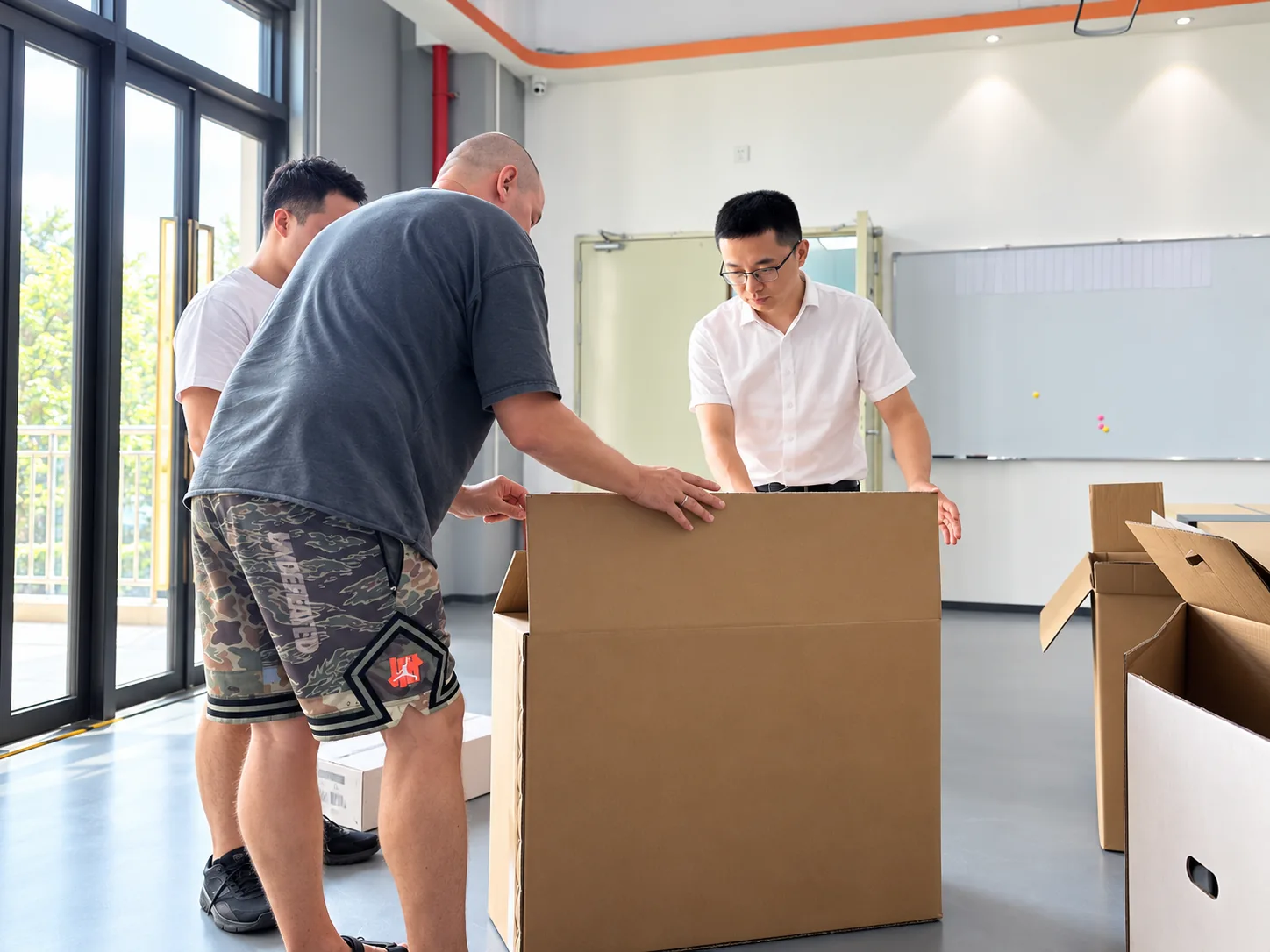
What You Can Review Before Placing an Order
-
Proposed case dimensions, materials and construction
-
The drawing, sample or agreed packing reference
-
Base support, internal protection and opening arrangements
-
Inspection requirements and relevant packaging documents
Plywood Crates for Energy Storage Equipment
An energy storage equipment project required a custom outer case, internal protection and packaging-documentation coordination for export.
The Crate and Protection Inside
Chenjie coordinated a custom plywood crate with internal corner protection and cushioning around the equipment. The outer case and protective components were considered together as parts of the complete packing arrangement.
Sample Fit and Project Documents
Sample trial fitting formed part of the project, allowing the proposed pack to be reviewed around the equipment. Packaging information and relevant documents were coordinated alongside the crate specification.
For a new project, the equipment dimensions, weight, support points and transport requirements provide the starting point for reviewing the case and internal protection.
Illustrative component arrangement
-
Packing Configuration
-
Sample Trial Fitting
-
Packaging Document Coordination
Plywood Cases, Solid Wood Crates or Heavy-Duty Cartons?
Compare the complete pack for the same cargo and route. Enclosure, load support, handling, internal protection and packed volume all affect the choice and total packing cost.
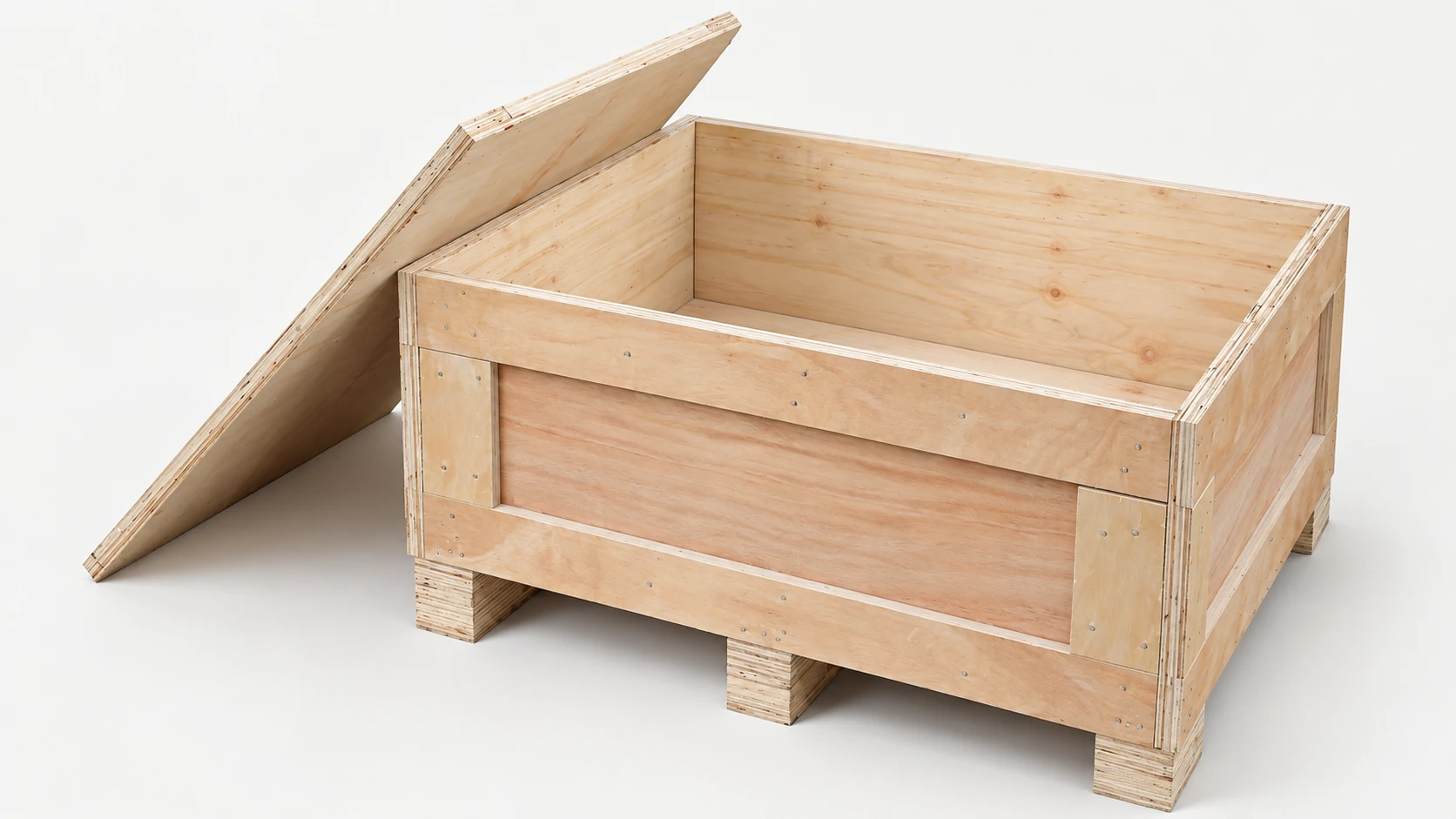
Plywood Cases
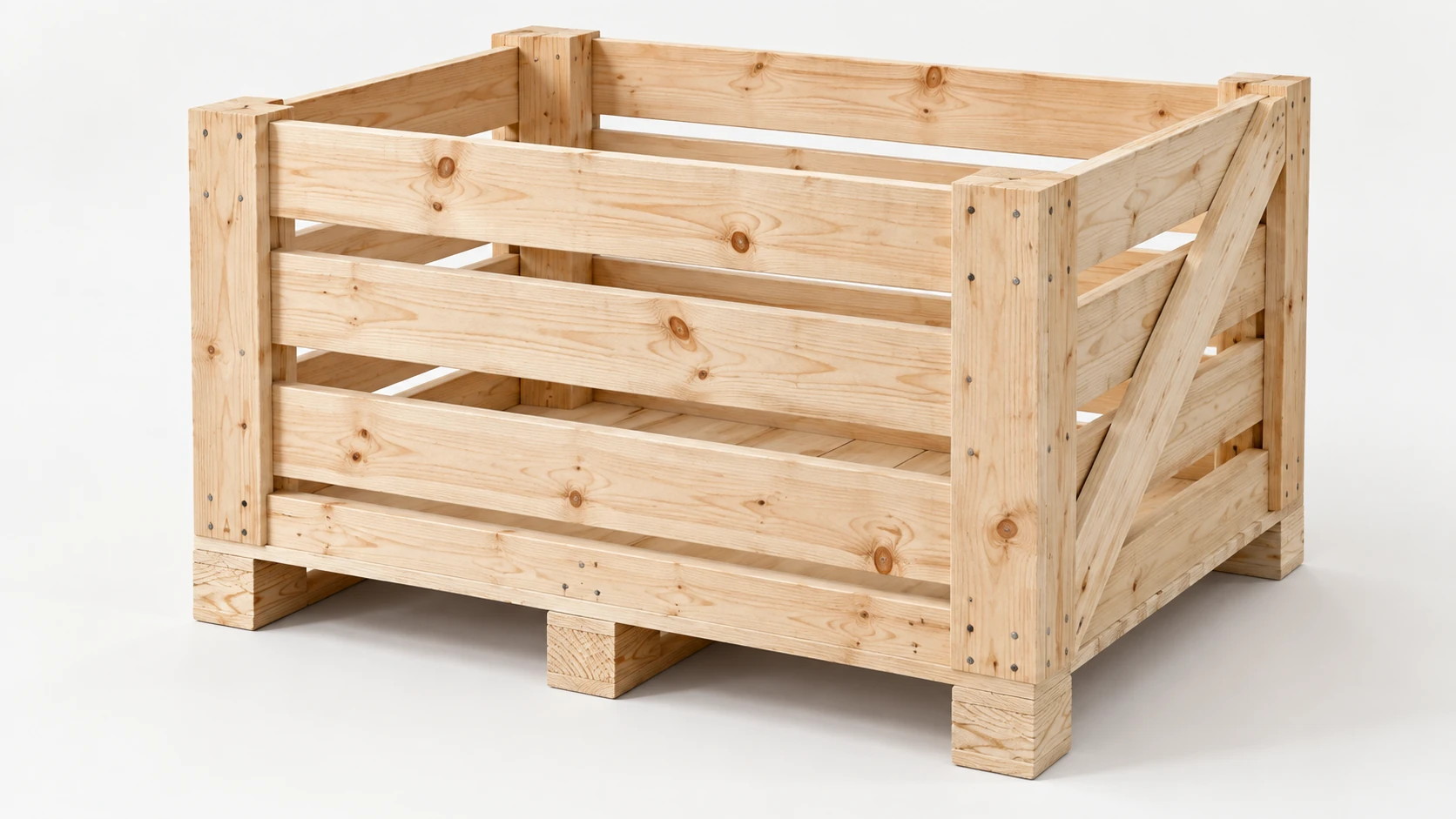
Solid Wood Crates
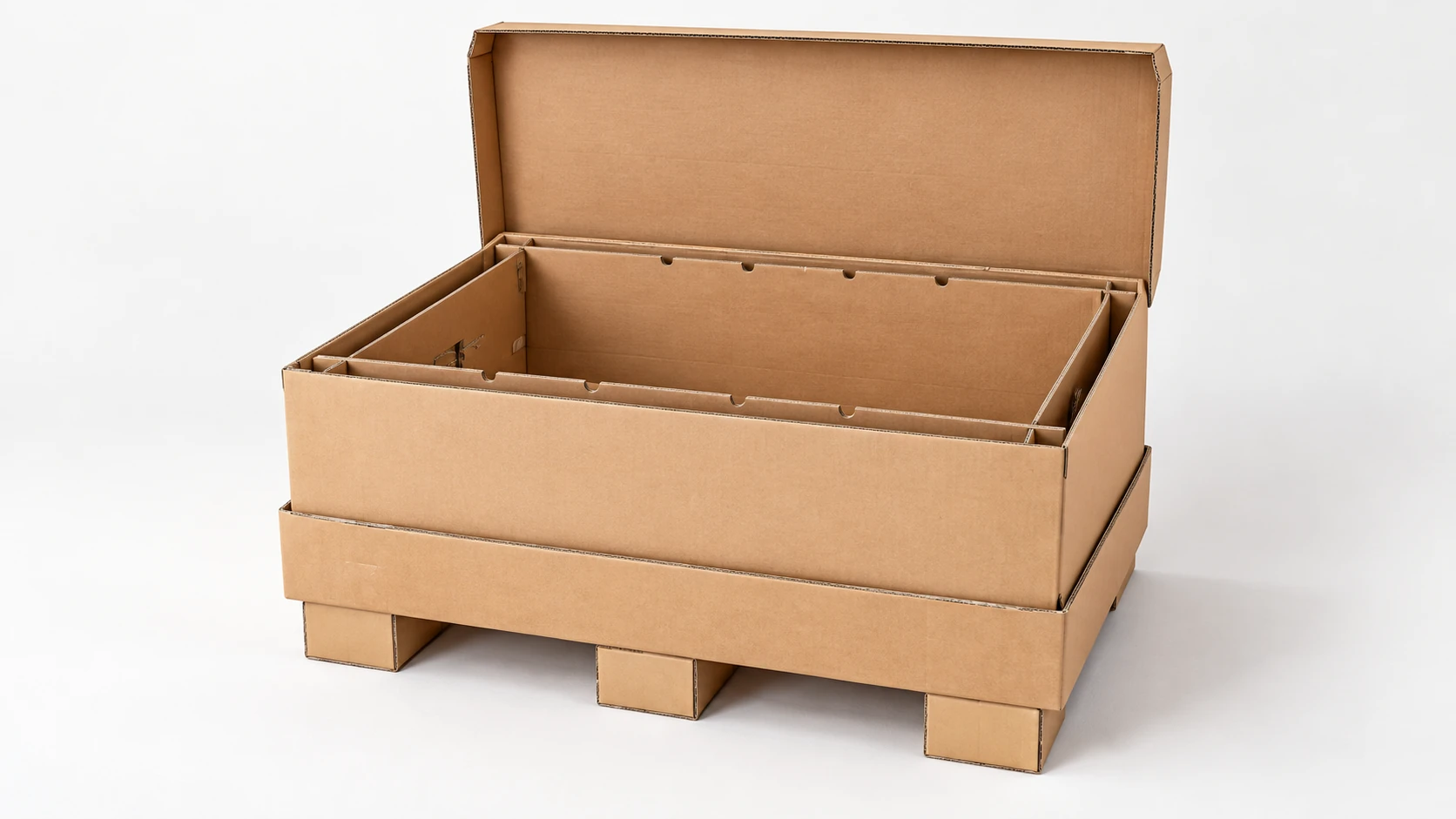
Heavy-Duty Cartons
Plywood Box Buyer's Guide
1. What is a plywood shipping box?
A plywood shipping box is an enclosure built from plywood panels with a specified base, reinforcement and closure. Internal supports and protective components are added around the cargo and packing method. On this page, the two starting points are lithium battery packaging and custom equipment cases, each with different shipment and handling priorities.

2. How do I choose a case for heavy or fragile cargo?
Begin with the product's load-bearing points and weight distribution. Two items of the same weight can need different base support if one has a tall profile, an uneven underside or vulnerable projections. The case also needs room for suitable restraint, cushioning and the intended loading method.
For custom equipment cases, Chenjie Pack reviews these details with the opening and unpacking sequence. A clear packing arrangement helps purchasing and receiving teams understand how the cargo is supported, secured and removed.
3. Is thicker plywood always better for heavy cargo?
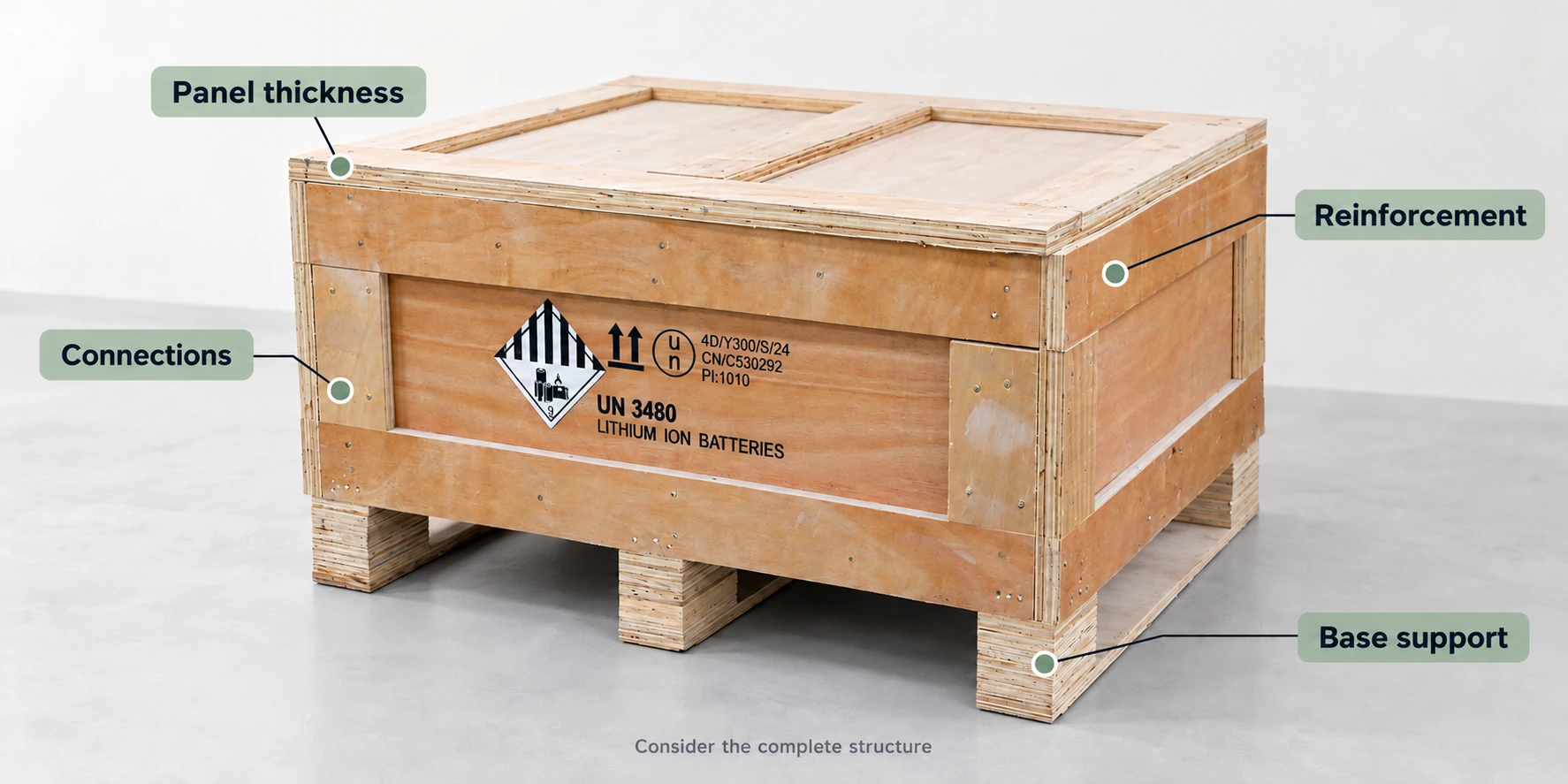
Panel thickness is one part of the structure. Base support, reinforcement, connections and the way the cargo transfers weight into the case also matter. Increasing wall thickness alone does not establish a higher cargo rating.
Distinguish the weight carried inside the case from any load stacked above it. A proposed load or stacking figure needs a defined design and relevant evaluation conditions; one figure should not be substituted for the other.
4. Can one plywood box design cover every lithium battery shipment?
No. Battery type, transport classification, whether batteries travel alone or with equipment, quantity and transport mode affect the applicable packing requirements. Where UN specification packaging is required, the exact design documents, internal packing and closure instructions need to match the proposed configuration.
The battery's UN 38.3 test summary concerns the battery type and is separate from any required outer-packaging performance approval. For Chenjie Pack's lithium battery plywood boxes, review the relevant packaging documents for the actual design and shipment before ordering.
5. What should I check about wood materials before export?
Wood packaging made wholly from processed plywood is exempt from the ISPM 15 treatment provisions for regulated wood packaging. A case may also contain solid-wood skids, blocks or braces, which need a separate check. Plywood panels alone do not establish that the complete assembly is exempt.
Review all components and the destination's import conditions. An ISPM 15 exemption concerns wood-packaging treatment requirements; it does not replace packaging performance documents, dangerous-goods requirements or other import conditions. Changes to the base or reinforcement materials should be reviewed before a repeat order is treated as equivalent.
6. What should a plywood box quotation include?
Compare quotations against the same case construction and delivery scope. A lower case price can represent a different base, less internal protection or additional assembly work at the receiving site.
| Quotation Item | What the Quotation Should Identify |
|---|---|
| Dimensions | Usable internal dimensions, external dimensions and packing clearance |
| Panels & Base | Panel specification, reinforcement materials, base layout and handling access |
| Internal Protection | Included supports, blocking, restraint and cushioning components |
| Opening & Closure | Proposed opening arrangement, fasteners and closure requirements |
| Supply & Delivery | Quantity, assembled or other agreed supply format, delivery location and included charges |
| Documents & Checks | Included drawings, samples, inspections and applicable packaging documents |
For repeat orders, use the same agreed drawing or packing reference and identify revisions clearly. Review material, structure or cargo changes before comparing the next quotation with the previous order.
7. Pre-assembled or flat-pack: what changes for the buyer?
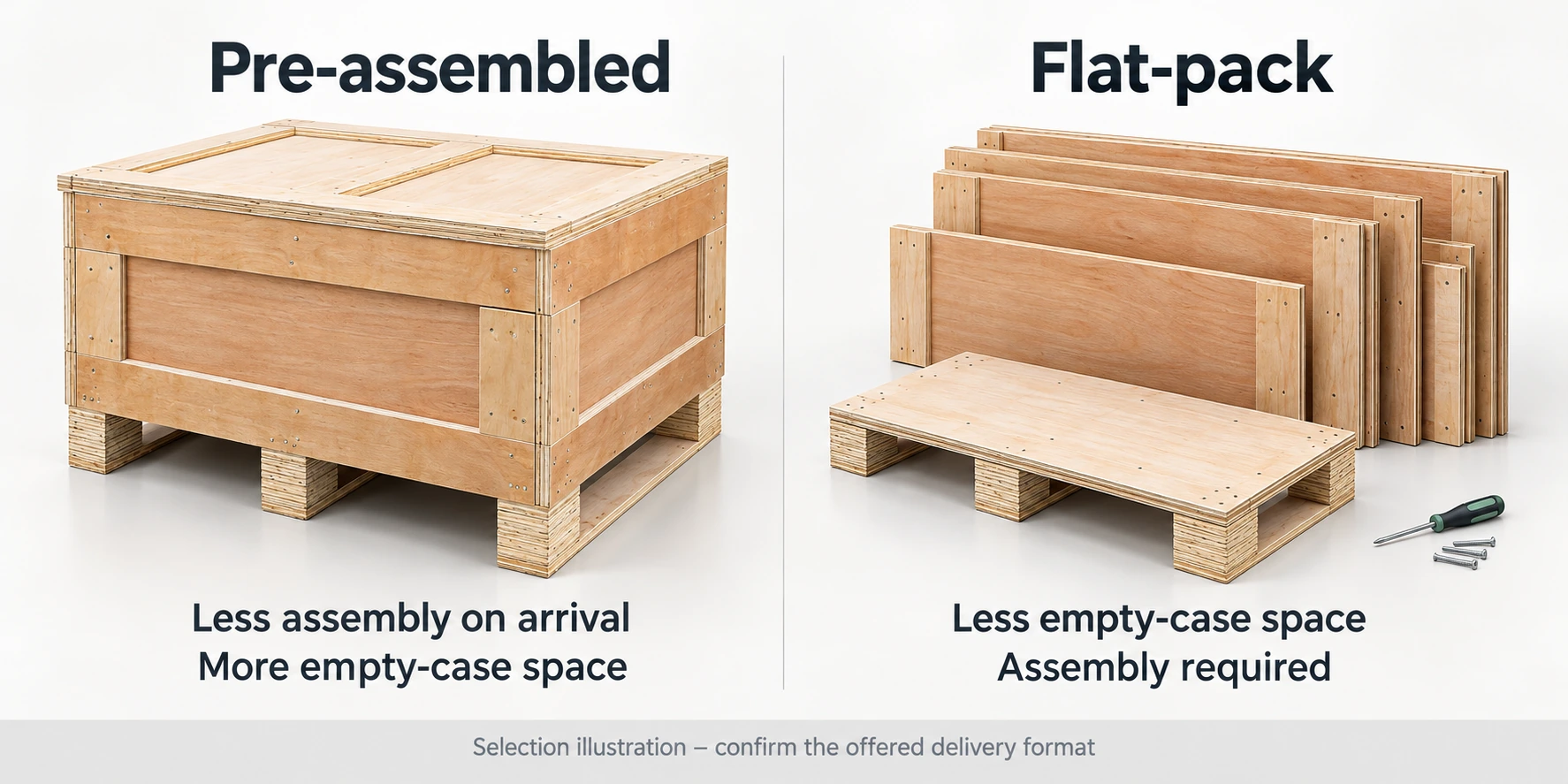
Pre-assembled cases reduce assembly work at the receiving site but occupy more space during empty-case transport and storage. Flat-pack supply can reduce that space where the design allows it, while adding requirements for assembly labour, tools, fasteners and instructions.
Compare the supply format actually offered for the proposed case. Flat-pack, collapsible, reusable and nail-free describe different features; one does not automatically establish the others.
8. Are plywood boxes waterproof?
Plywood construction alone does not make a case waterproof. Panel grade, adhesive, exposed edges, joints and any protective barriers influence moisture performance. Water-resistant bonding does not establish a watertight complete package.
Long sea journeys, outdoor staging and condensation can create different protection needs. Moisture-sensitive equipment may need a suitable barrier or other protective measures alongside the case. Assess the complete packing arrangement for the expected exposure rather than relying on the material name.

Request a Plywood Box Quote
Tell us about your cargo and the packing task. Include dimensions, weight, quantity, destination and handling requirements where known.
Useful Details for Your Enquiry
Useful details include the load-bearing points, vulnerable areas, loading access, destination and transport mode.